
By Southern Signal | November 15, 2026
There was a time when walking into a radio station meant walking into a building full of life. Phones ringing, personalities preparing shows, producers cutting audio, and program directors actually directing programming.
Today, some of those same buildings might as well be glorified broom closets with transmitters attached.
Welcome to corporate radio in 2026, where executives continue finding creative ways to save money by eliminating the very people who make their stations worth listening to.
The latest bloodbath at Cumulus Media is another reminder of how badly this industry has lost its way.
But Cumulus isn’t the only problem.
From Atlanta to Alabama, the Ax Keeps Falling
In October, Cumulus celebrated emerging from bankruptcy after eliminating approximately $550 million in debt.
Within weeks, another round of layoffs followed.
Atlanta’s legendary 99X had already lost much of its revived on-air lineup in August. November brought additional casualties, including respected country programmer Mike Moore.
In Birmingham, longtime broadcaster Steve West lost his position at Talk 99.5. Mobile saw programmer Cami Marlowe affected by earlier cuts.
While additional November layoffs haven’t been established in Huntsville or Montgomery, the larger warning should concern every broadcaster in those markets.
These communities deserve better than corporate leftovers.
They deserve personalities, local connections, and broadcasters who understand the communities their stations are licensed to serve.
Clear Channel Wrote the Playbook
Cumulus isn’t breaking new ground. It’s following a playbook that iHeartMedia, formerly Clear Channel, helped perfect.
I know because I worked for Clear Channel.
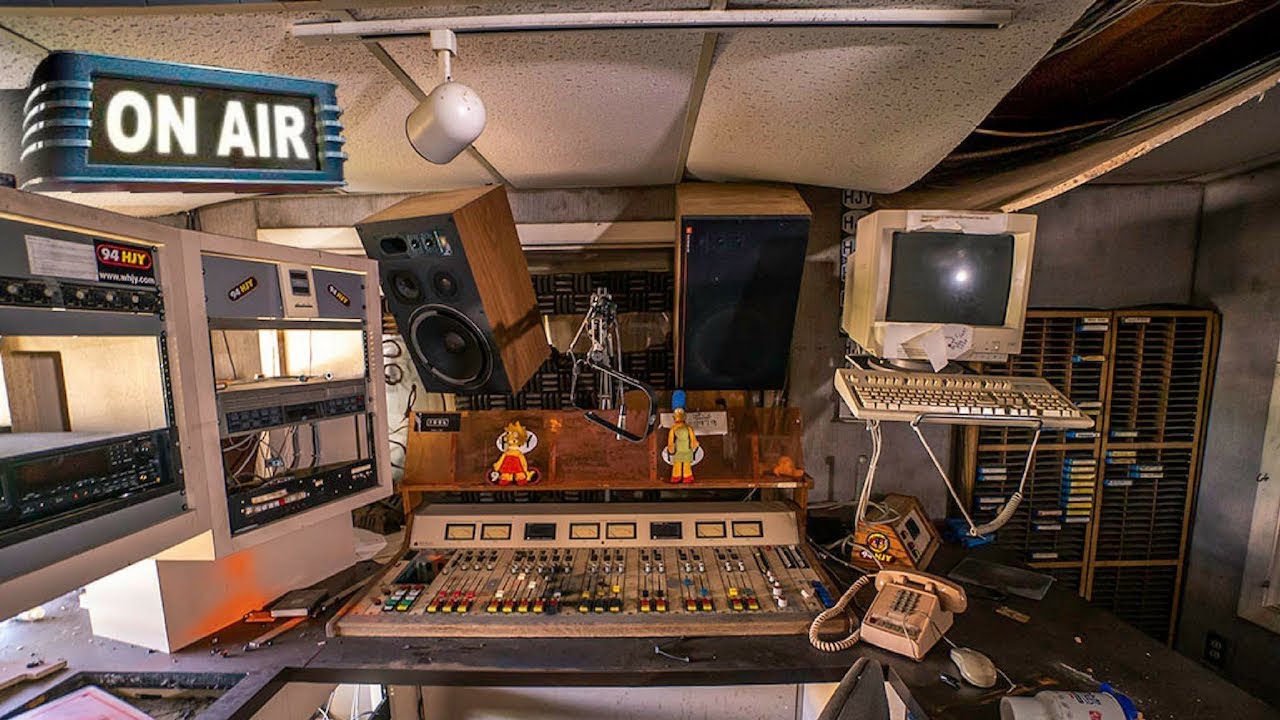
I remember watching the company pour money into impressive studio renovations and elaborate facilities that were supposed to represent broadcasting’s future.
Then came the empty chairs.
Studios that once housed working broadcasters became expensive rooms with nobody behind the microphones.
Live personalities disappeared. Voice tracks replaced them. Entire clusters became increasingly automated operations, with fewer employees responsible for more stations.
Beautiful studios. Expensive equipment. Nobody home.
And what did listeners get?
A polished recording pretending someone was actually there.
Earlier this year, iHeartMedia continued cutting programming personnel, demonstrating that corporate radio remains committed to the same tired strategy.
You cannot eliminate human connection and expect technology to manufacture listener loyalty.
Here’s a Revolutionary Idea: Hire Broadcasters
What if Cumulus stopped treating live radio like an unnecessary luxury?
Take its strongest-performing, highest-revenue FM stations and put actual personalities behind the microphones.
Twenty-four hours a day. Seven days a week.
Start by evaluating opportunities in Atlanta, Birmingham, Huntsville, Mobile, and Montgomery.
Not every frequency can financially support around-the-clock staffing. But surely corporate executives can identify stations where stronger local programming could justify the investment.
Give audiences something Spotify cannot provide.
Spontaneity. Local interaction. Breaking information. Personality.
Give advertisers meaningful connections to the communities they’re trying to reach.
And stop pretending syndicated programming and voice tracking automatically constitute a programming strategy.
I operate an independent digital radio station. I use automation and syndicated programming because I understand the economics.
But there’s a fundamental difference between using technology to operate efficiently and using it to systematically strip away a station’s identity.
Where the Hell Are the Local Broadcasters?
Here’s where this conversation gets uncomfortable.
While Cumulus and iHeartMedia continue dismantling their stations, locally owned broadcasters have an extraordinary opportunity to reclaim audiences.
Yet how many are actually willing to seize it?
Some independent operators possess the frequencies, facilities, and community relationships necessary to challenge corporate competitors.
What too many seem to lack is the huevos.
Instead of developing personalities and distinctive programming, they imitate the same corporate formula.
Cut expenses. Automate everything. Fill the schedule with syndicated programming. Collect whatever advertising revenue remains.
Then complain that radio is dying.
Perhaps radio isn’t dying.
Perhaps too many people running it have simply stopped trying.
Local ownership means absolutely nothing if your station sounds as disconnected from its community as the corporate operation down the street.
Independence should mean freedom to experiment, develop talent, and create something corporate executives wouldn’t dare approve.
Instead, too many smaller broadcasters seem content to imitate the companies whose failures have created their greatest opportunity.
That’s not independence.
That’s cowardice with a broadcast license.
Radio Doesn’t Need Another Funeral
Radio faces legitimate economic challenges. Advertising has changed. Competition has exploded. Operating expenses aren’t getting cheaper.
Nobody disputes that.
But eliminating employees isn’t the same as building an audience.
And owning a transmitter doesn’t automatically make someone a broadcaster.
Cumulus and iHeartMedia need to rediscover the value of the people they’ve spent years eliminating.
Independent operators need to grow a backbone and remember why local radio mattered in the first place.
Because broadcasting’s greatest threat isn’t Spotify, podcasts, or artificial intelligence.
It’s an industry increasingly managed by people who have forgotten what happens on the other side of the speakers.
Corporate radio sold its soul to the accountants.
And too many local broadcasters lack the courage to take it back.
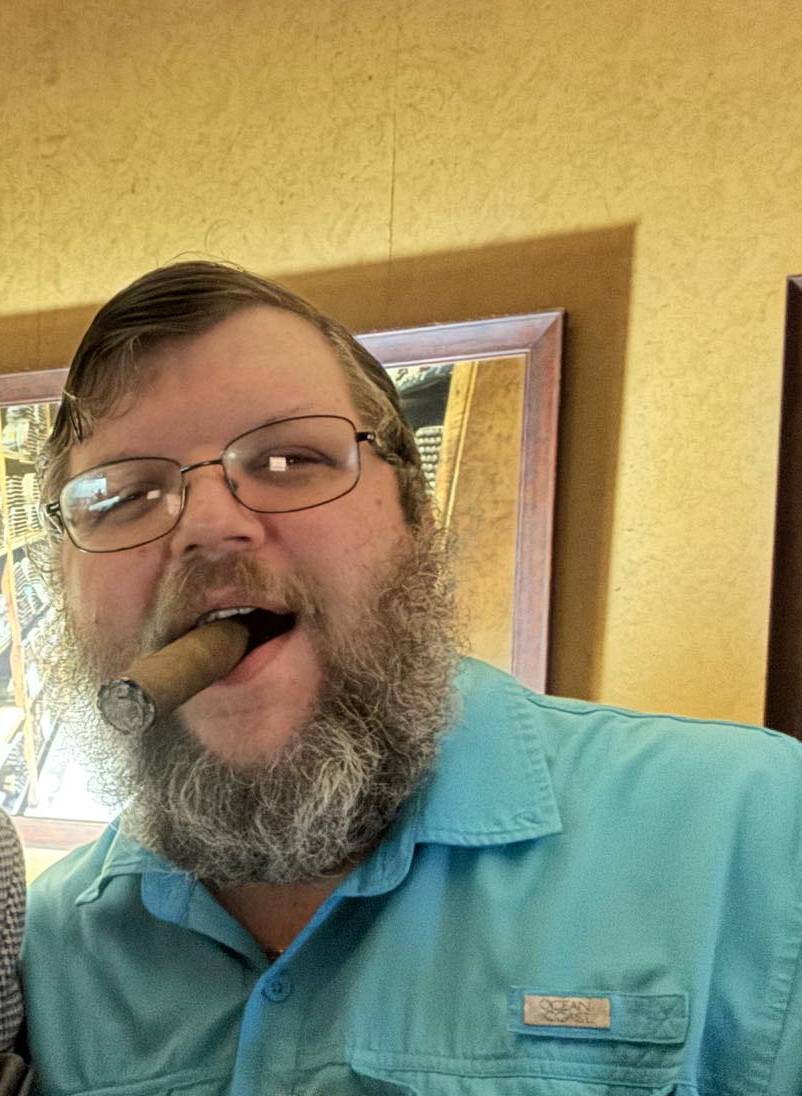
Jason Davenport is a seasoned media professional with over two decades of experience in the fields of broadcasting, audio/video production, and media consulting. Based in Montgomery, Alabama, Jason is the owner of Deep South Media, where he specializes in providing innovative solutions for clients, including podcasting, blogging, web design, and social media management.