
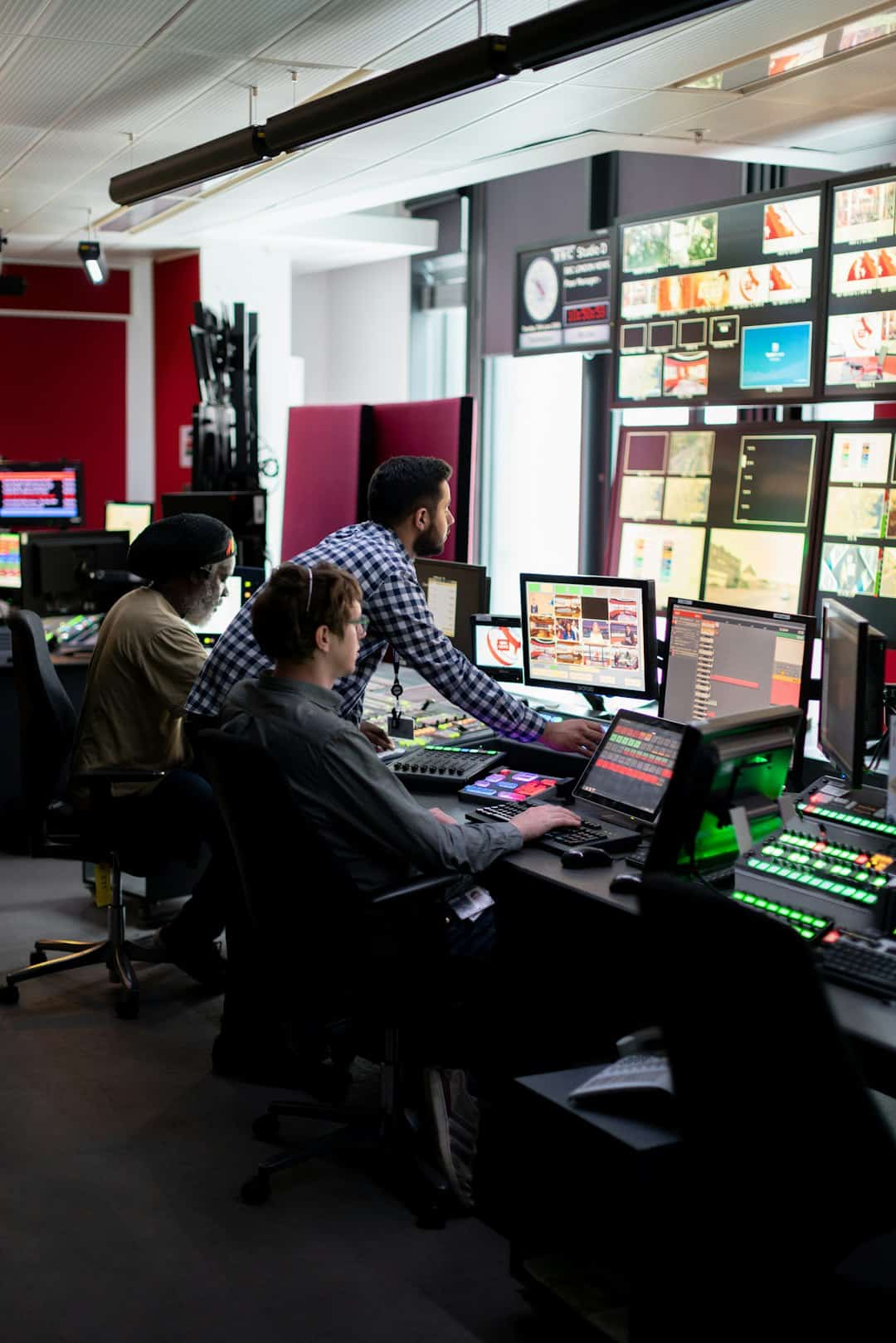

For decades, broadcasters lived inside carefully defined boundaries.
Radio stations fought for listeners within a signal footprint. Television stations competed inside designated market areas. Newspapers dominated the communities where trucks delivered papers every morning.
The audience had limited choices.
If you wanted local weather, you turned on the television.
If you wanted music, you listened to the radio.
If you wanted news, you bought a newspaper.
Then the internet arrived.
And slowly, almost invisibly at first, the walls began to collapse.
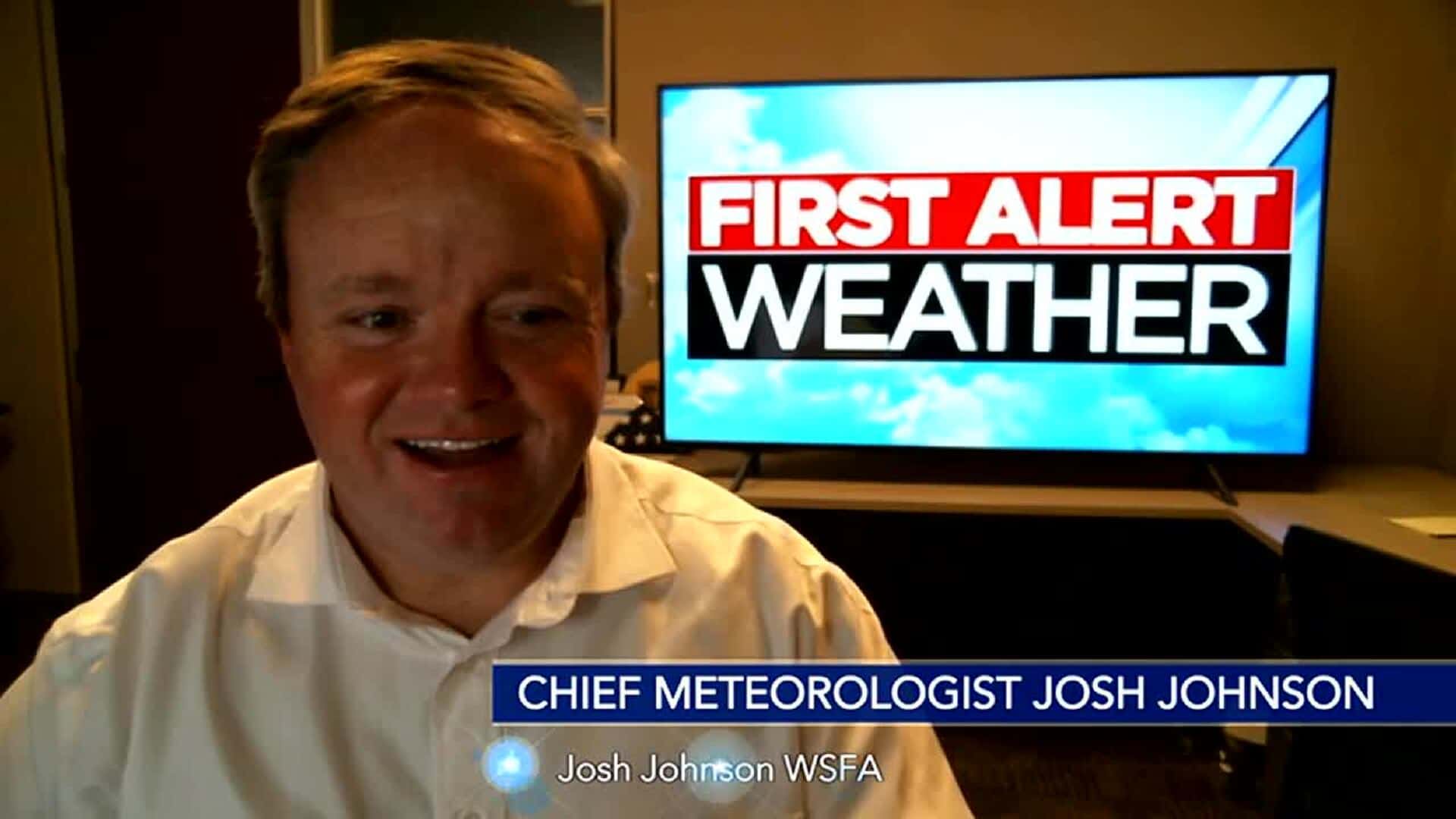
The latest example comes from Montgomery, where former WSFA Chief Meteorologist Josh Johnson has filed a federal lawsuit challenging a non-compete agreement that prevents him from working for competitors within the Montgomery television market.
At first glance, it looks like a dispute between an employee and a television station.
In reality, it highlights a much larger battle taking place across the entire media industry.
The question isn’t whether Josh Johnson can work for another television station.
The question is whether traditional broadcasting boundaries still mean anything at all.
According to the lawsuit, the agreement could potentially restrict Johnson’s use of modern digital platforms such as YouTube, Facebook, TikTok and other online services.
That raises an uncomfortable question for legacy broadcasters.
What exactly is a competitor in 2026?
Another television station?
A YouTube channel?
A weather app?
A Facebook page?
A podcast?
A Roku stream?
The answer is increasingly all of the above.
The irony is impossible to ignore.
While Gray Media is defending a non-compete tied to traditional market boundaries, Alabama’s most recognizable weather personality is building a business model around the idea that those boundaries no longer matter.
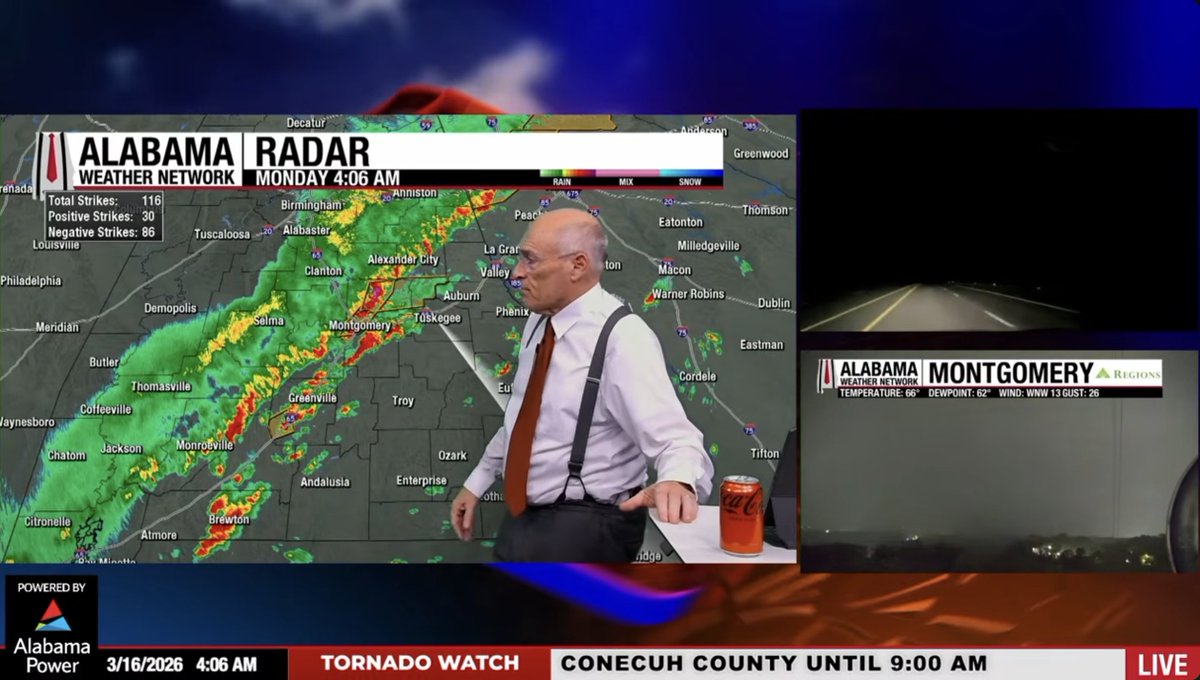
James Spann’s Alabama Weather Network launched on August 11, 2025, as a statewide streaming platform available through Roku, Apple TV, Amazon Fire TV, YouTube, Facebook, Instagram, TikTok and other digital outlets.
The concept would have been impossible under the old rules.
Today it makes perfect sense.
A viewer in Montgomery can watch a meteorologist based in Birmingham.
A resident in Huntsville can follow weather coverage from Mobile.
Someone living in Dothan can stream weather information from anywhere in the state.
The internet doesn’t care where television markets begin and end.
The audience goes wherever the content is.
Weather isn’t the first industry to face this disruption.
Radio fought this battle years ago.
For generations, local radio stations enjoyed near-complete control over music distribution. If listeners wanted music, they turned on a radio.
Then came satellite radio.
Then Pandora.
Then Spotify.
Then Apple Music.
Then YouTube Music.
Then podcasts.
Then internet radio streams accessible from anywhere on Earth.

Every new platform chipped away at the idea that listeners needed a local broadcaster to access content.
Many traditional broadcasters dismissed these threats as niche products.
History proved otherwise.
Today millions of Americans pay monthly subscriptions for audio services that didn’t exist twenty years ago.
Many younger consumers have never developed the habit of listening to traditional radio at all.
The same transformation is now accelerating across television.
The smartphone has become the new television.
The streaming app has become the new channel.
The creator has become the new broadcaster.
Increasingly, audiences are building relationships with individual personalities rather than the media companies that employ them.
That trend can be seen across every corner of modern media.
Independent journalists are building audiences on Substack.
Former television personalities are launching YouTube channels.
Sports commentators are creating podcasts.
Meteorologists are building statewide and even national audiences through streaming platforms.
Some of these digital creators attract audiences that rival or exceed traditional broadcast outlets.
In many cases, they operate with fewer employees, lower overhead and far greater flexibility.
That doesn’t mean traditional broadcasting is disappearing.
Far from it.
Television stations still provide essential journalism.
Radio stations still serve communities.
Newsrooms still matter.
Local reporting remains critical.
But the era of protected monopolies and geographic barriers is ending.
The audience no longer belongs to whoever owns the tallest tower.
The audience belongs to whoever earns their attention.
The lawsuit involving Josh Johnson may ultimately be decided by lawyers and judges.
But the larger battle has already been decided by technology.
The future of broadcasting is no longer defined by transmitters, antennas and market boundaries.
It is defined by smartphones, streaming platforms and direct connections with audiences.
The walls that once separated Montgomery, Birmingham, Mobile and Huntsville have effectively disappeared.
The only question left is how quickly legacy media companies are willing to acknowledge it.
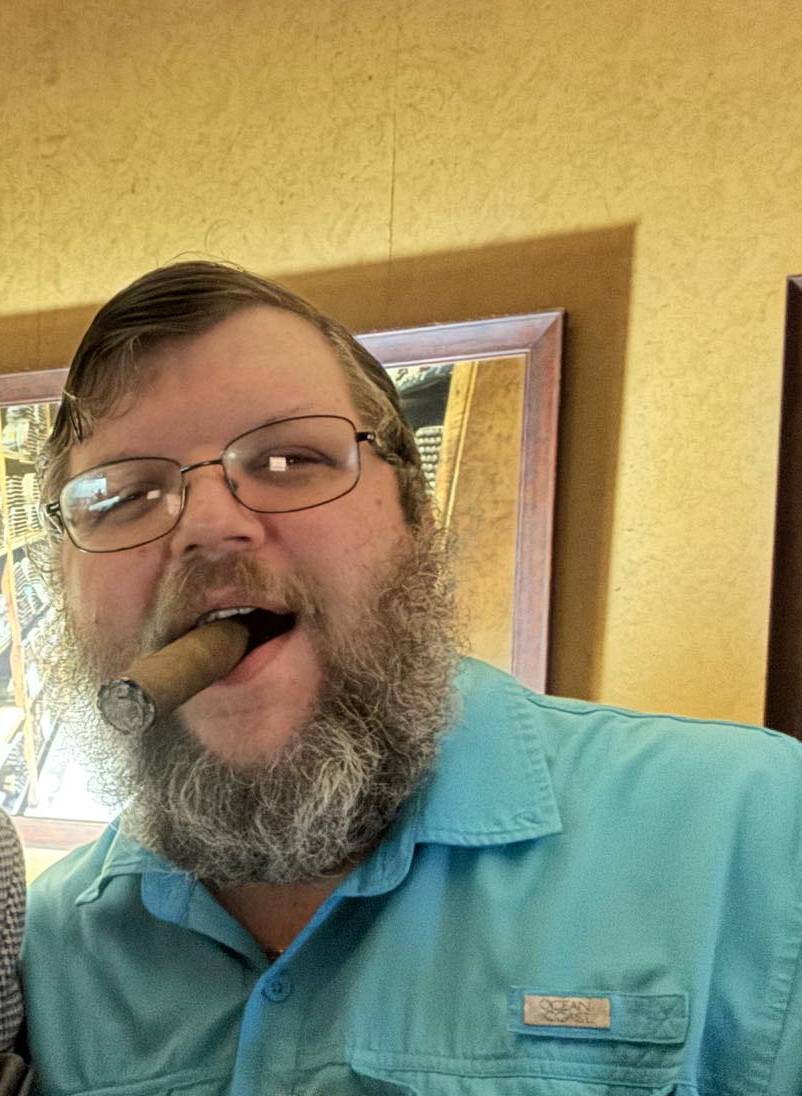
Jason Davenport is a seasoned media professional with over two decades of experience in the fields of broadcasting, audio/video production, and media consulting. Based in Montgomery, Alabama, Jason is the owner of Deep South Media, where he specializes in providing innovative solutions for clients, including podcasting, blogging, web design, and social media management.